

Who We Are
An impact studio
We work with organizations, brands & creatives to experiment with strategy and produce the media for having an impact.
Our Work
Latest Projects
Our thesis: the purpose of our independent spirit is to tackle the stories we’re uniquely able to tell. For us, that’s been at the intersection of economics, history and philosophy.
As we continue to grow and develop, we expand what makes us unique, and therefore, what stories we’re able to share.
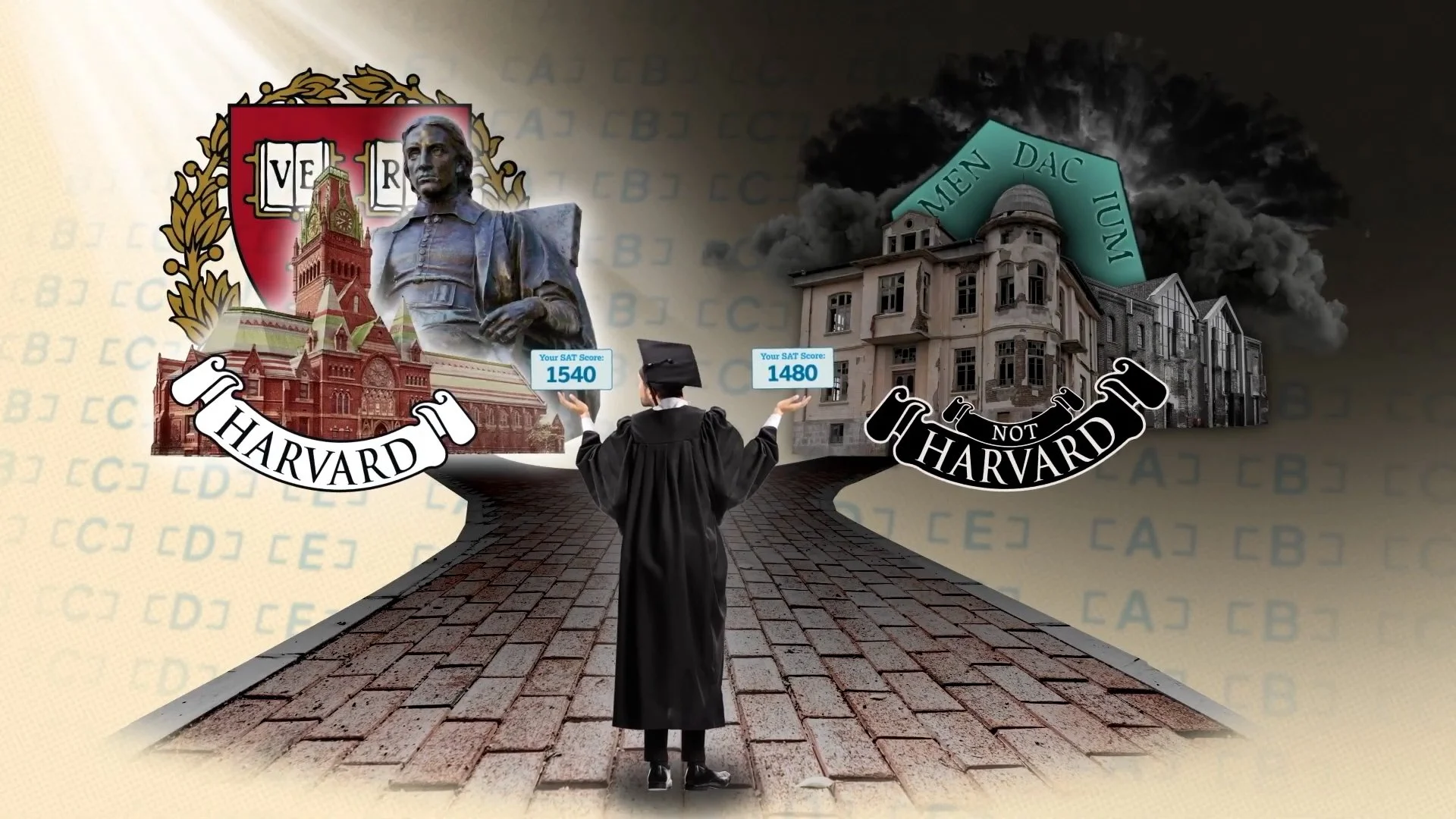
EconNerds: The 1985 & 2026 SAT: They’re Not The Same Test
Client: Econ Nerds
I took the SAT in my 40s, I went to a high school and sat with all the nervous kids and took the thing. Why? Because everyone says the test is broken, biased, buyable, and easier than ever. As an economist, I wanted to know if that's true. So I ran my own experiment.
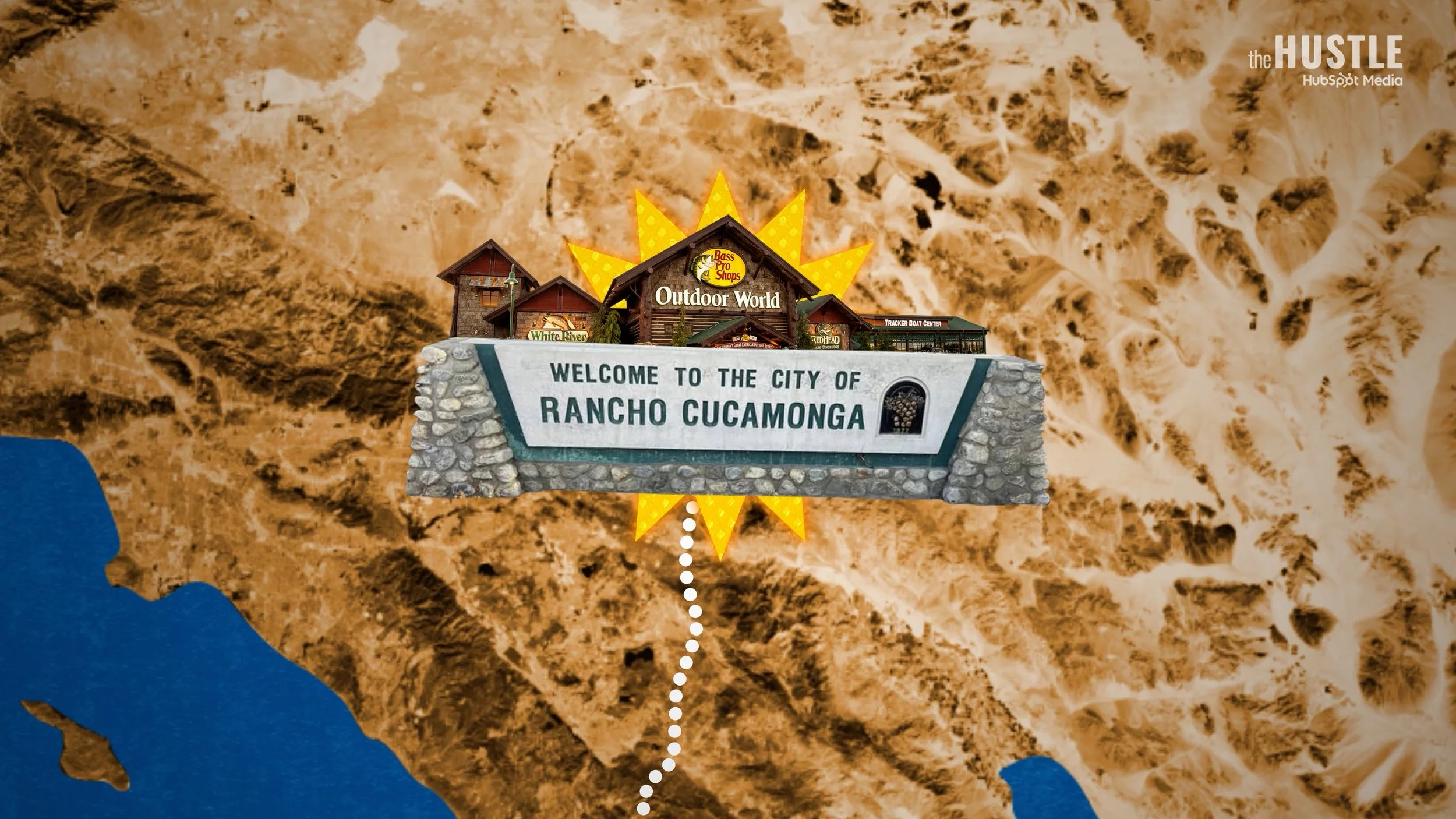
The Hustle: Inside the Wild Business of Bass Pro Shops
Client: HubSpot - The Hustle
People drive across state lines to visit a fishing store. Some get married inside one. And Bass Pro didn't accidentally become that kind of place.

EconNerds: Paul Ehrlich, the most successful and wrong Economist
Client: Econ Nerds
Paul Ehrlich vs. Julian Simon: the famous overpopulation debate that changed how we think about resources, scarcity, and humanity's future.

Mackinac Center: The Overton Window & The American Revolution
CLIENT: The Mackinac Center for Public Policy
How did a radical idea become the foundation of a nation? In the years leading up to the American Revolution, public opinion shifted dramatically — moving independence from the margins to the mainstream. This short film explores that transformation through the lens of the Overton Window.
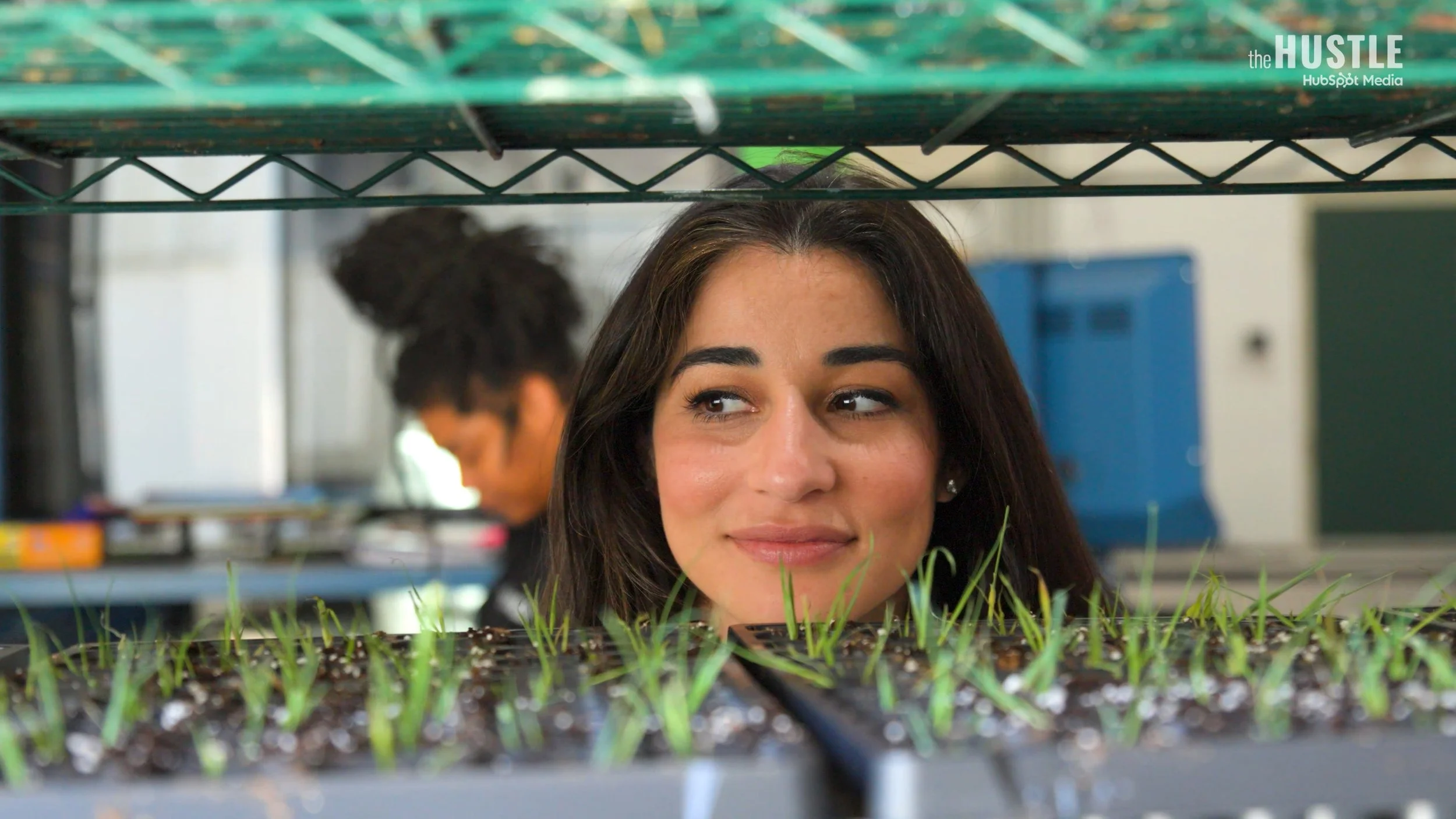
The Hustle: He Left SpaceX to Change How Homes Are Built
Client: HubSpot - The Hustle
Plantd was founded by former SpaceX engineers who set out to replace oriented strand board — the structural panels that wrap the walls, floors, and roofs of nearly every home built in the US — with panels made from a perennial grass that grows six inches a day and can be harvested twice a year. Their boards are independently certified for use in all 50 states and, according to their own testing, are 1.5x stronger and 2x more moisture resistant than standard softwood OSB. D.R. Horton, the largest homebuilder in the country, has already ordered 10 million of them. The catch: at 250k panels a year, that order alone would take 40 years to fill. Noelle went to Oxford, NC to see how Plantd plans to get there — and whether its bet on grass can hold up against one of America's oldest industries.

EconNerds: Russia had more Resources, Poland Won Anyway
Client: Econ Nerds
How did Poland go from communist central planning to one of Europe’s fastest-growing economies? In this episode of Econ Nerds, we explore the post-Soviet "shock therapy" reforms, the Washington Consensus, and the economic policies that helped transform Poland from one of Europe's poorer countries into one that may soon be better off than the United Kingdom (arguably). After the collapse of the Soviet Union, countries across Eastern Europe received the same economic advice from the West: privatize state industries, end price controls, stabilize currencies, and open to international trade. Most of them tried to follow that advice. Some countries prospered as a result, but others fell into corruption and stagnation. Why?
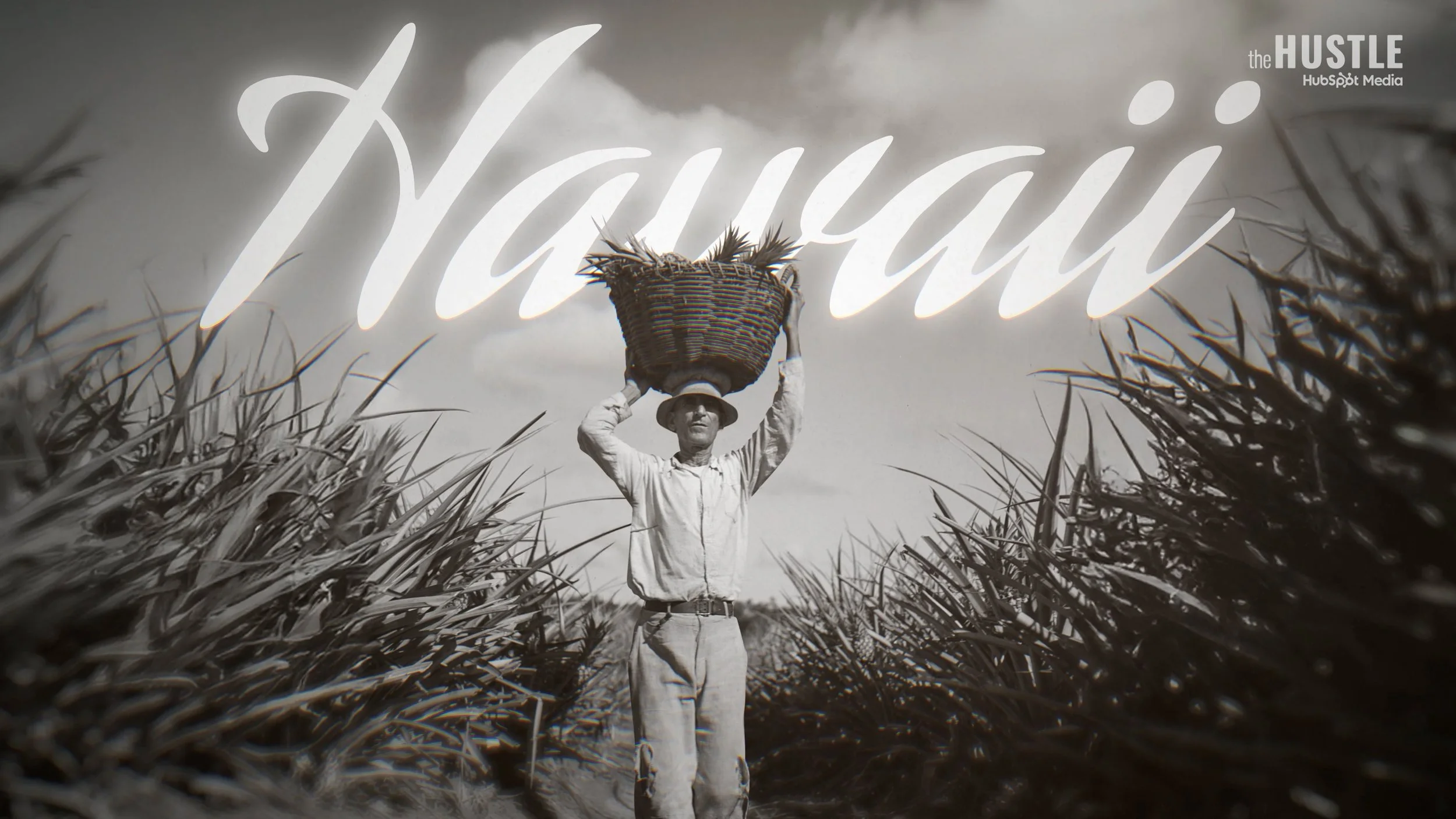
The Hustle: Why Growing Pink Pineapples Is Illegal
Client: HubSpot - The Hustle
A pineapple grown in Costa Rica can sell for $400 in the U.S. — and it's illegal to buy, sell, or even grow in the country that produces it. That's not an accident. It's the direct result of a mistake Del Monte made in the 1990s, when it spent 30 years developing the Golden Pineapple, tripled U.S. pineapple sales, and then lost control of the whole thing — because a farmer hired to grow it leaked it, and eventually Dole was growing the exact same fruit in Honduras. Del Monte never had the right patent. The secret was out. So with the PinkGlow — a GMO engineered to convert its own lycopene into pink flesh instead of yellow — they built a legal fortress instead: plant patents, utility patents, registered trademarks, and a biosafety law that turns the Costa Rican government into their enforcement arm.

EconNerds: Why did the Cybertruck Flop?
Client: Econ Nerds
Why Tesla Cybertruck sales collapsed: Elon Musk, the Cybertruck S-curve, and the economics behind Tesla’s weirdest vehicle. The Cybertruck didn’t fail for the reasons most people think. In this episode of Econ Nerds, we dive into Tesla, Elon Musk, Veblen goods, truck culture, and the hidden economics behind why Cybertruck sales plateaued so quickly.
Cato Institute: Vision for Liberty Campaign - 2026
CLIENT: Cato Institute
AGENCY: Kristi Kendall & Co
For more than 40 years, Cato has led the charge for liberty in our nation and around the world. The Cato Institute is an assiduously nonpartisan and independent public policy research organization—or think tank—that creates a presence for and promotes libertarian ideas in policy debates.
EconNerds: The Crisis Industrial Complex
Client: Econ Nerds
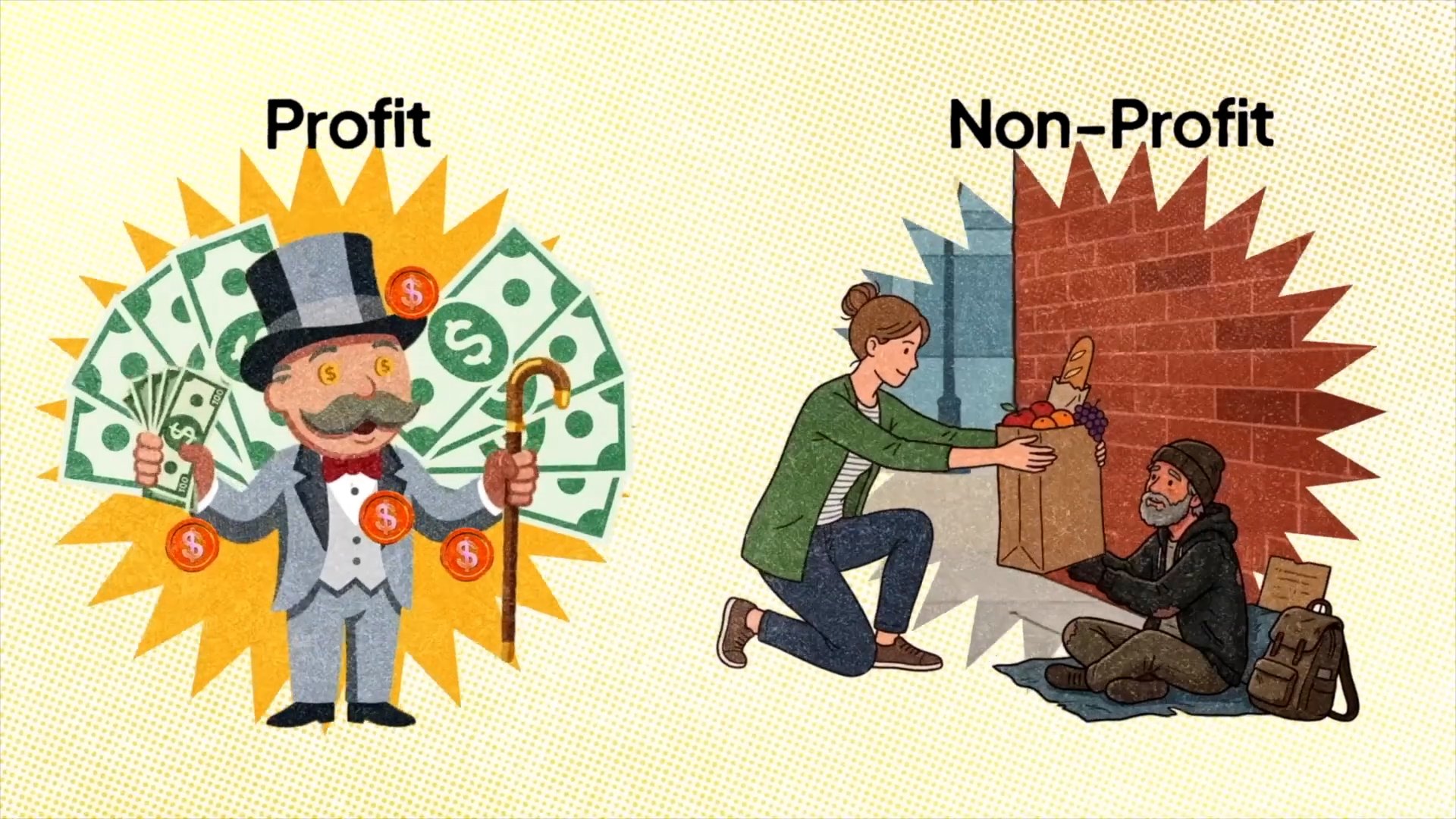
Climate change, police violence, immigrant crime, maternal mortality—are these actual crises or just exaggerated narratives? In this episode of Econ Nerds, we put the data to the test and audit the numbers behind the headlines. There’s a surprising pattern: the reality is far less catastrophic than the rhetoric.
The Hustle: Is It Really Worth Buying $489 Sunglasses?
Client: HubSpot - The Hustle
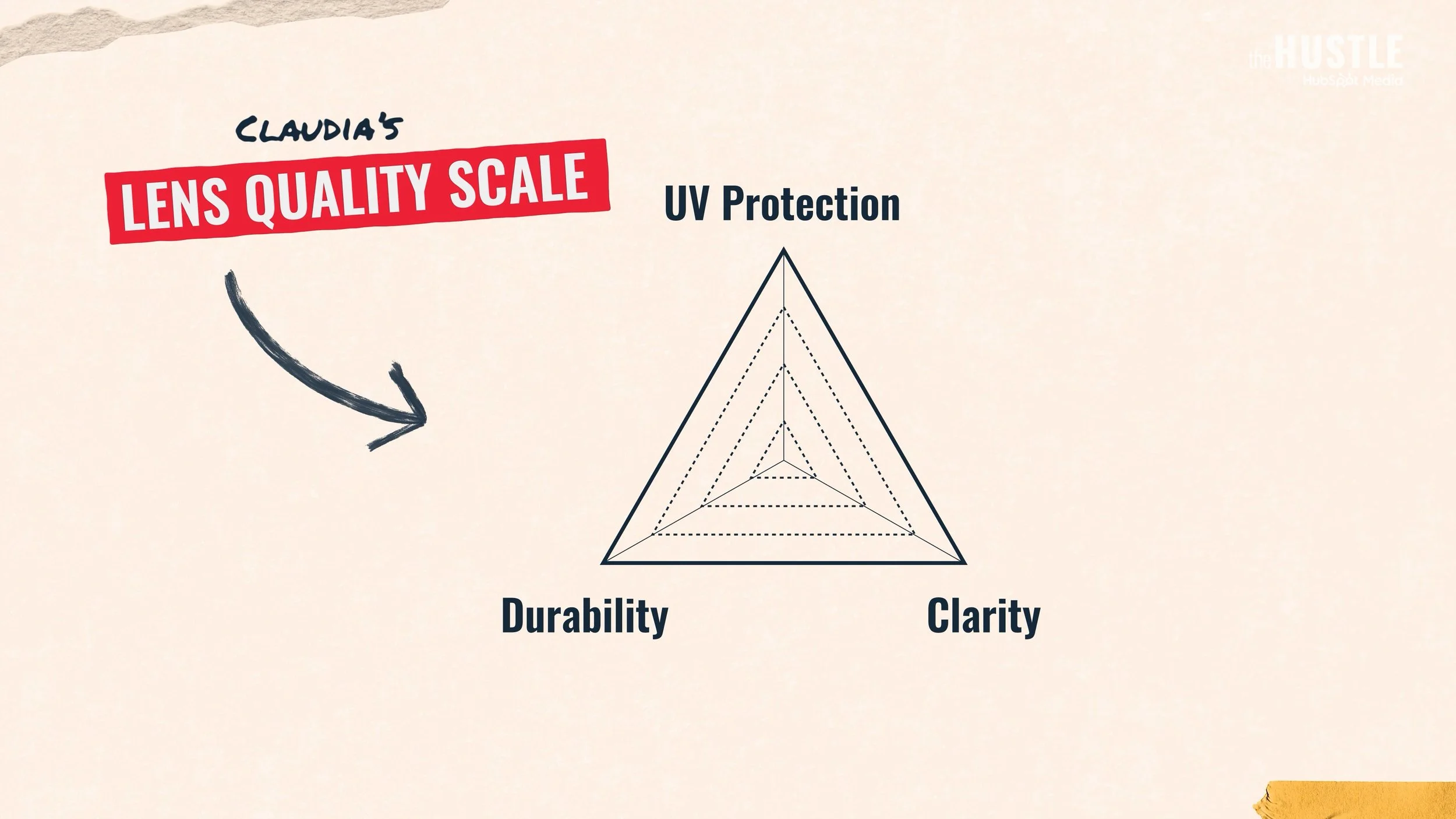
We tested six pairs of sunglasses from $14 to $489, Here's what ctually matters. From a generic $14 pair to $489 Pradas, we analyzed everything: UV protection, optical clarity, scratch resistance, impact durability, and frame construction to find the best

The Hustle: Why 600+ Planes Are Sitting Without An Engine
Client: HubSpot - The Hustle
Airlines are scraping perfectly good airplanes — not because they're broken, but because the engines inside them are worth as much as or more than the plane itself. A big part of the problem is time. Engine shop visits that used to take a few months now stretch past 300 days, and when a fleet depends on a tight rotation of engines, every delay cascades into cancellations, wet leases, and higher costs. That's how you end up in a world where a single engine commands lease rates that rival the entire aircraft it's attached to — and where airlines like Air Transat sell their own engines for $85 million just to lease them back. We break down the three colliding forces behind aviation's engine crisis — a massive recall, strained supply chains, and overwhelmed repair shops — and how airlines like Delta are turning the chaos into a billion-dollar business.

EconNerds: Can You Put a Price on Life? Yes.
Client: Econ Nerds
How do we address risk in public policy? What is the value of a statistical life (VSL)—and why does the government put a price on life? In this episode of Econ Nerds, we tackle one of the most important issues in public policy: comparing risks and making tradeoffs when lives are on the line. Why are people so bad at judging risk? And how did economists build tools that help policymakers make better decisions?
The Hustle: The Actual Difference Between $2 and $56 Water
Client: HubSpot - The Hustle
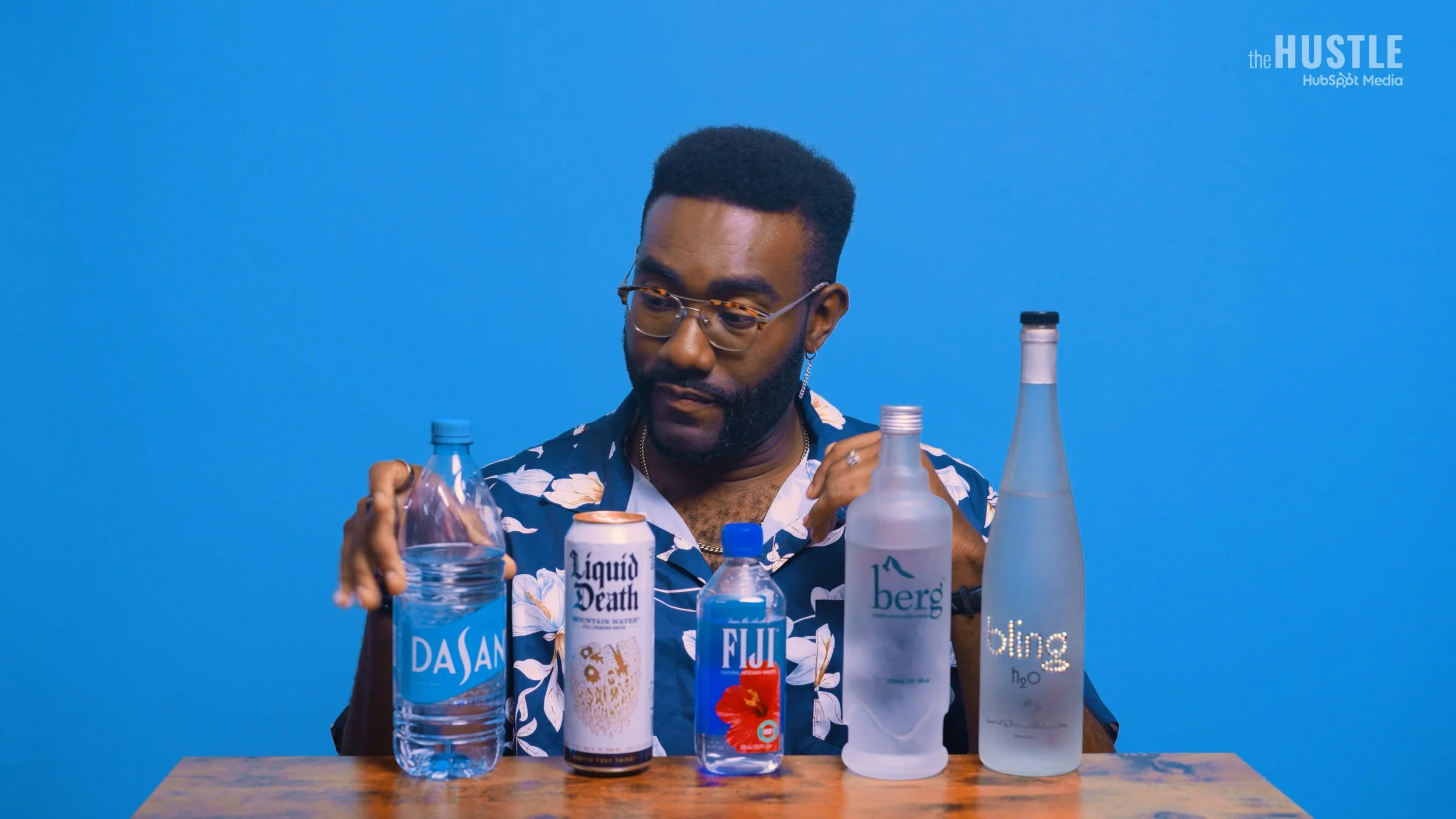
We bought 5 bottles of water — from $2 Dasani to $56 Bling H2O, plus Fiji, Liquid Death, and Berg — to break down exactly how each brand justifies its price. Source, minerals, packaging, story: every bottled water brand is running a different playbook to make you believe their water is worth more. We talked to a certified water sommelier, dug into water quality reports, and compared what's actually in each bottle to understand the economics of brand value — and how companies turn a commodity into a premium product.

The Hustle: Why Kroger’s $2.6B Automation Bet Failed
Client: HubSpot - The Hustle
In 2018, Kroger partnered with UK automation company Ocado to roll out a nationwide network of “robot warehouses” — the famous “hive” system. It looked like the perfect corporate tech story… until the economics collided with American geography and American delivery expectations. By late 2025, Kroger announced it would shut down multiple Ocado-powered automated fulfillment sites (including the Frederick, MD facility I visited in this video), take a $2.6B charge related to the network, and pay Ocado a one-time $350M settlement as it “optimizes” the partnership.

EconNerds: The Wild Medieval Confession Trick that Actually Worked
Client: Econ Nerds
Trial by ordeal wasn’t medieval madness—it was a surprisingly clever solution to information asymmetry. We laugh when Monty Python mocks scientifically illiterate peasants (and overconfident nobles) in The Holy Grail’s brilliant witch trial scene. But what if medieval justice wasn’t pure superstition?
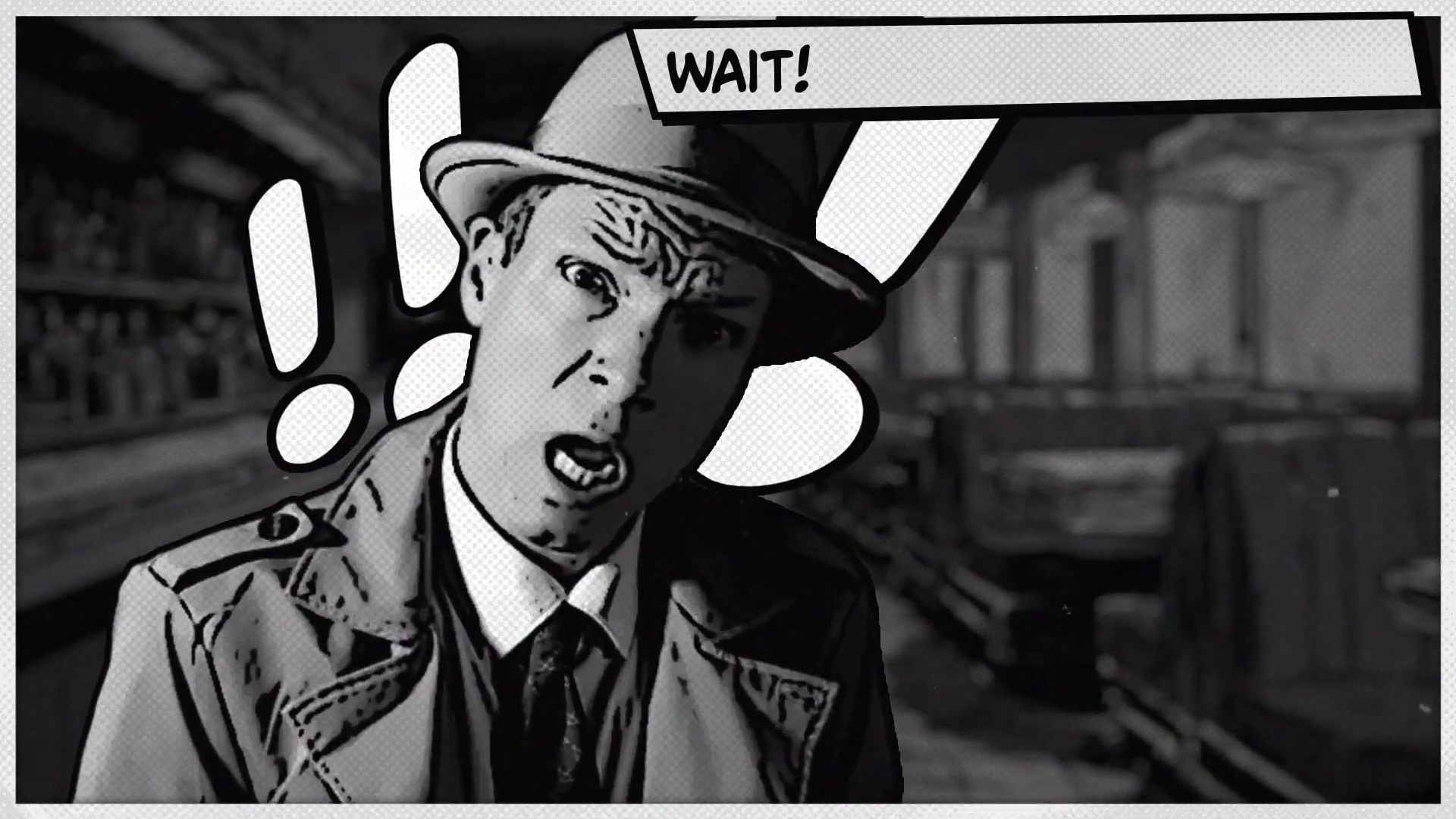
EconNerds: China is Lying About Its Economy
Client: Econ Nerds
Is China overstating its GDP? China’s official GDP numbers don’t quite add up—and economists are playing detective. In this Econ Nerds episode, we dig into research that challenges China’s reported economic data. Why do Chinese households appear to consume far less than their income suggests? Are the numbers wrong—or are we missing something?
The Hustle: Why Europe’s Favorite Soda Flopped in America
Client: HubSpot - The Hustle
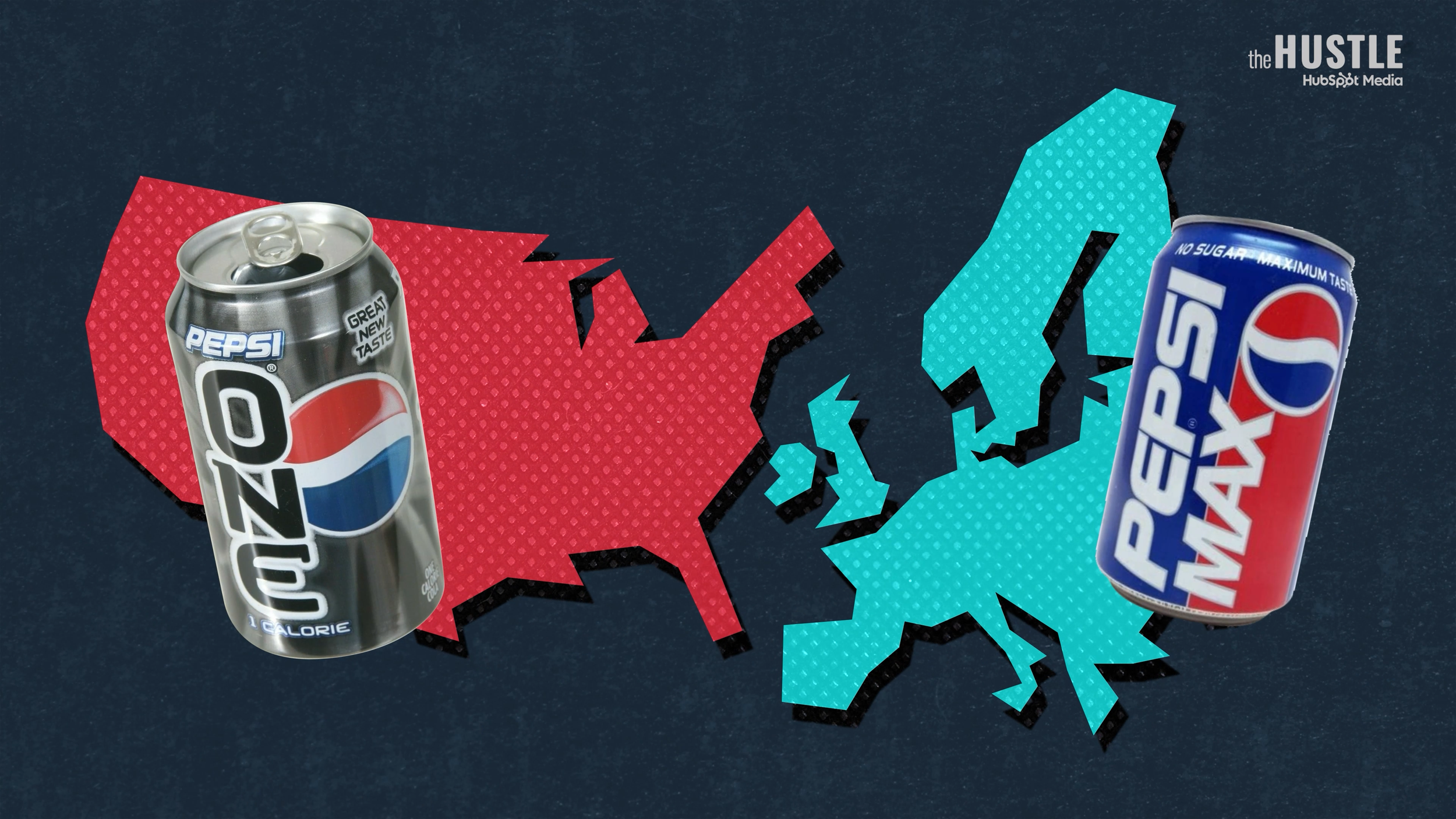
Why did Pepsi Max become a zero‑sugar phenomenon across Europe, but flop in the U.S.?
In this video, we break down how a single ingredient, a decade‑long FDA delay, and a series of branding missteps turned Pepsi’s most promising product into America’s most confusing soda. From Pepsi Max to Pepsi One to Diet Pepsi Max to today’s Pepsi Zero Sugar, you’ll see how policy, leadership mandates, and muddled positioning created a “multiverse” of colas where the same idea dominated in Norway and Sweden… and barely registered in the U.S.

EconNerds: Three Myths about Inequality and the Data that Destroys Them
Client: Econ Nerds
Everyone “knows” inequality is getting worse. Everyone “knows” it’s one of the biggest problems of our time. And almost everyone is wrong—at least about why. In this Econ Nerds episode, we walk through three inequality myths that refuse to die, even as the data keeps contradicting them.
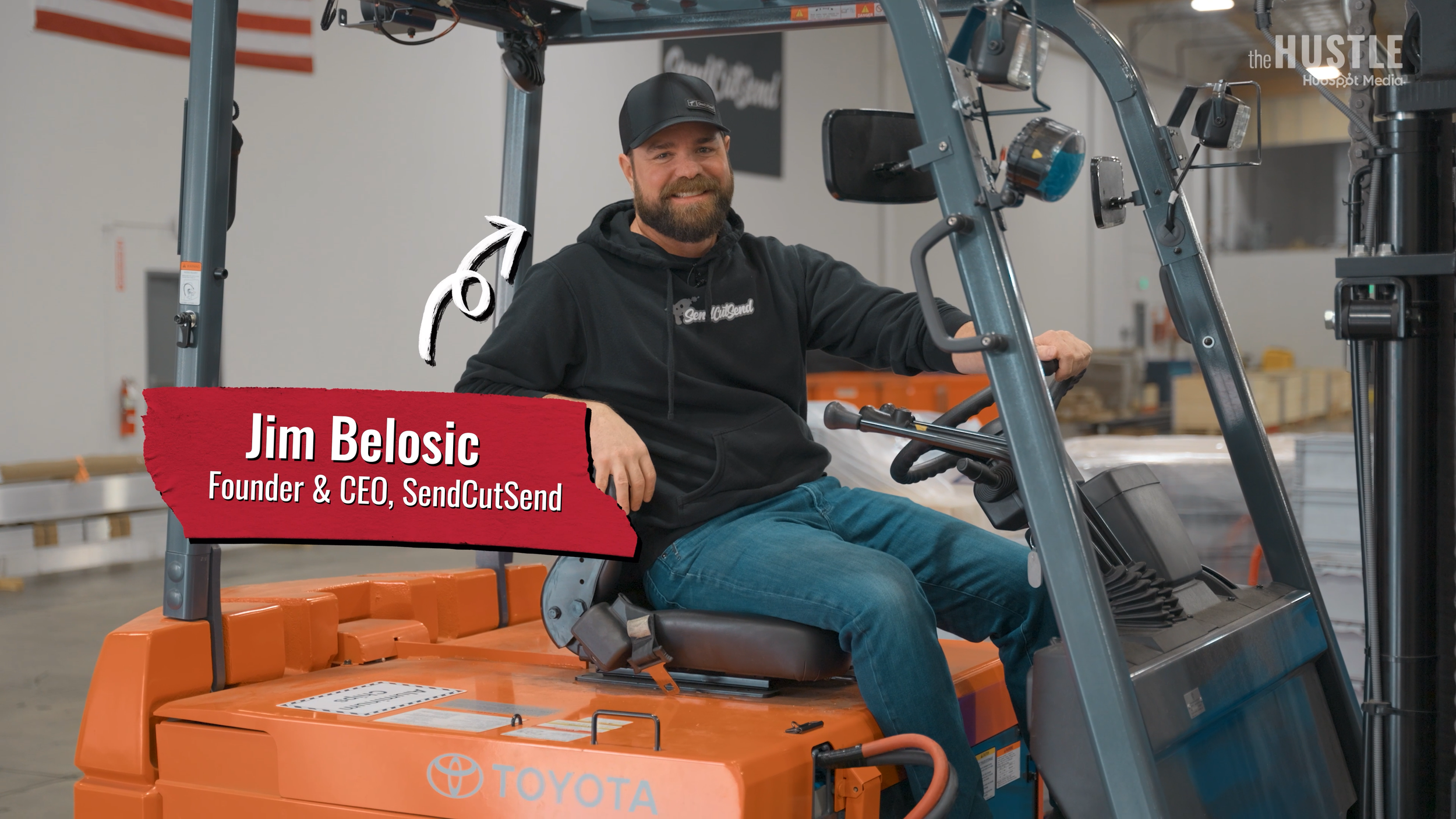
The Hustle: Can This Startup Bring Back American Manufacturing?
Client: HubSpot - The Hustle
For most of the 20th century, America’s manufacturing dominance fueled its global dominance, but after the 1970s offshoring wave, that advantage shifted overseas and innovation inevitably followed. Now, as the US aims to rebuild its industrial base, The Hustle is hitting the production floor at SendCutSend to find out: Can a startup like this actually bring production — and innovation — back to the US?