Our Work
Latest Projects
Our thesis: the purpose of our independent spirit is to tackle the stories we’re uniquely able to tell. For us, that’s been at the intersection of economics, history and philosophy.
As we continue to grow and develop, we expand what makes us unique, and therefore, what stories we’re able to share.
Client: Econ Nerds
Is China overstating its GDP? China’s official GDP numbers don’t quite add up—and economists are playing detective. In this Econ Nerds episode, we dig into research that challenges China’s reported economic data. Why do Chinese households appear to consume far less than their income suggests? Are the numbers wrong—or are we missing something?
Client: HubSpot - The Hustle
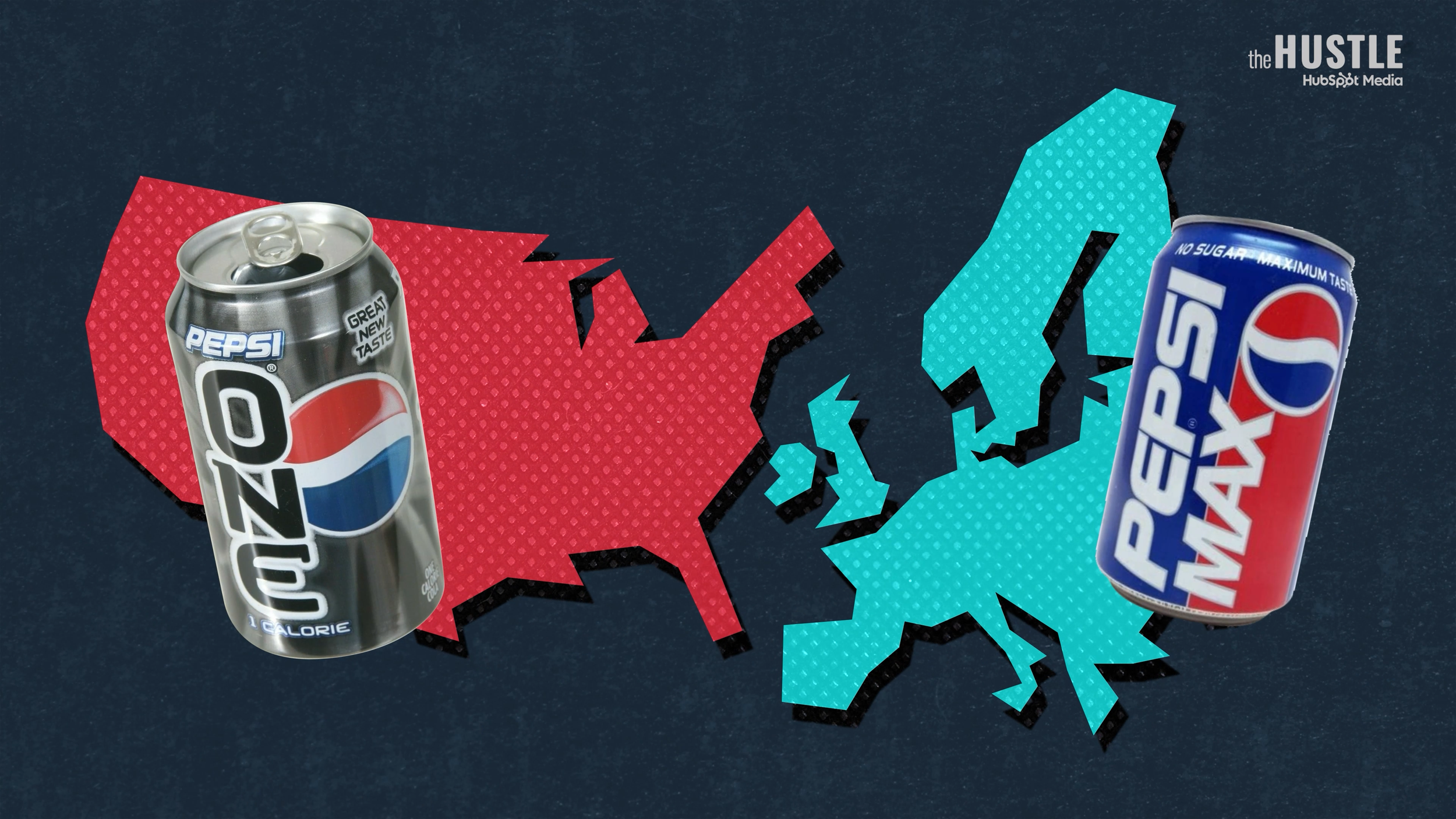
Why did Pepsi Max become a zero‑sugar phenomenon across Europe, but flop in the U.S.?
In this video, we break down how a single ingredient, a decade‑long FDA delay, and a series of branding missteps turned Pepsi’s most promising product into America’s most confusing soda. From Pepsi Max to Pepsi One to Diet Pepsi Max to today’s Pepsi Zero Sugar, you’ll see how policy, leadership mandates, and muddled positioning created a “multiverse” of colas where the same idea dominated in Norway and Sweden… and barely registered in the U.S.
Client: Econ Nerds
Everyone “knows” inequality is getting worse. Everyone “knows” it’s one of the biggest problems of our time. And almost everyone is wrong—at least about why. In this Econ Nerds episode, we walk through three inequality myths that refuse to die, even as the data keeps contradicting them.
Client: HubSpot - The Hustle
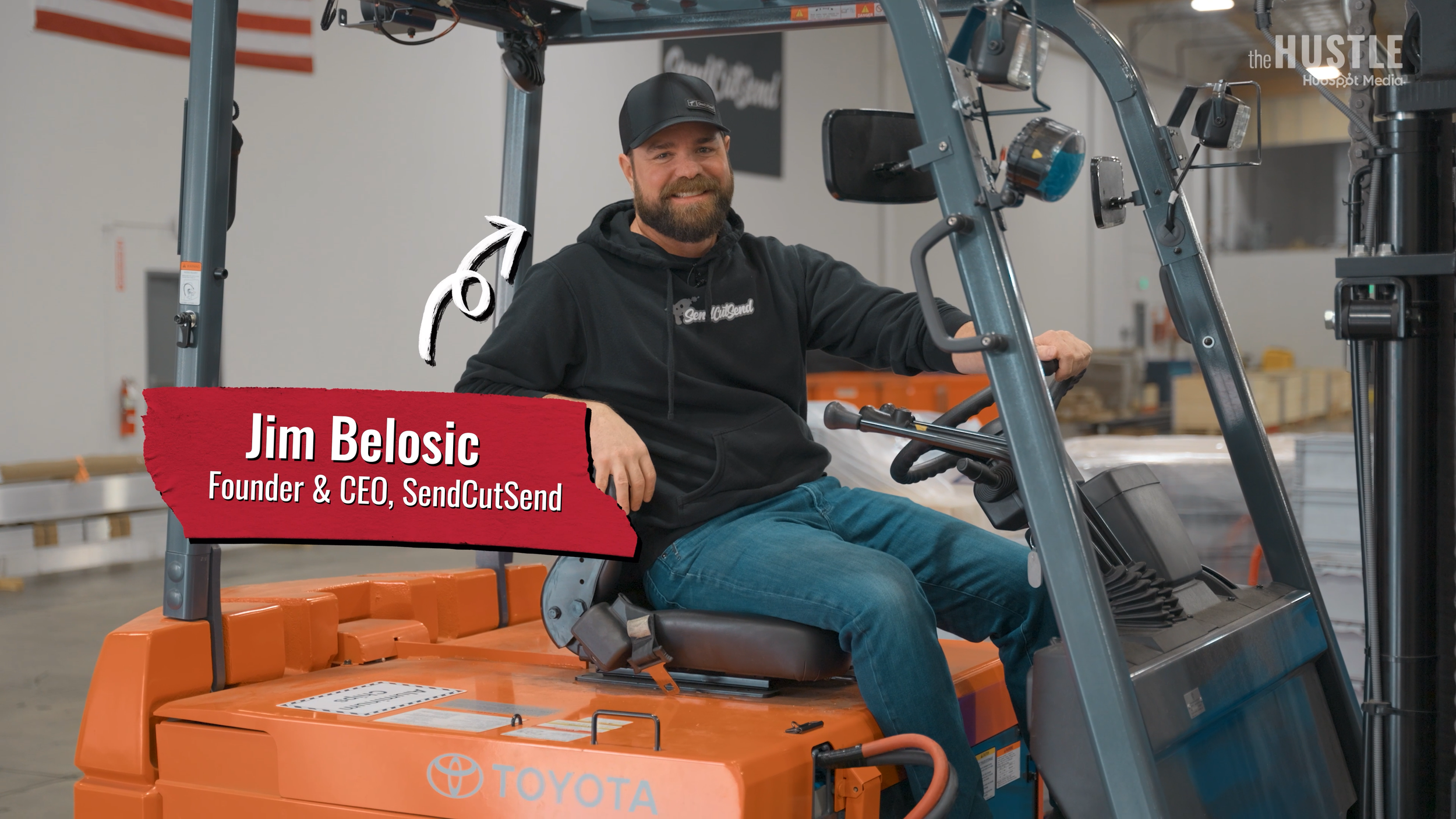
For most of the 20th century, America’s manufacturing dominance fueled its global dominance, but after the 1970s offshoring wave, that advantage shifted overseas and innovation inevitably followed. Now, as the US aims to rebuild its industrial base, The Hustle is hitting the production floor at SendCutSend to find out: Can a startup like this actually bring production — and innovation — back to the US?
Client: HubSpot - The Hustle
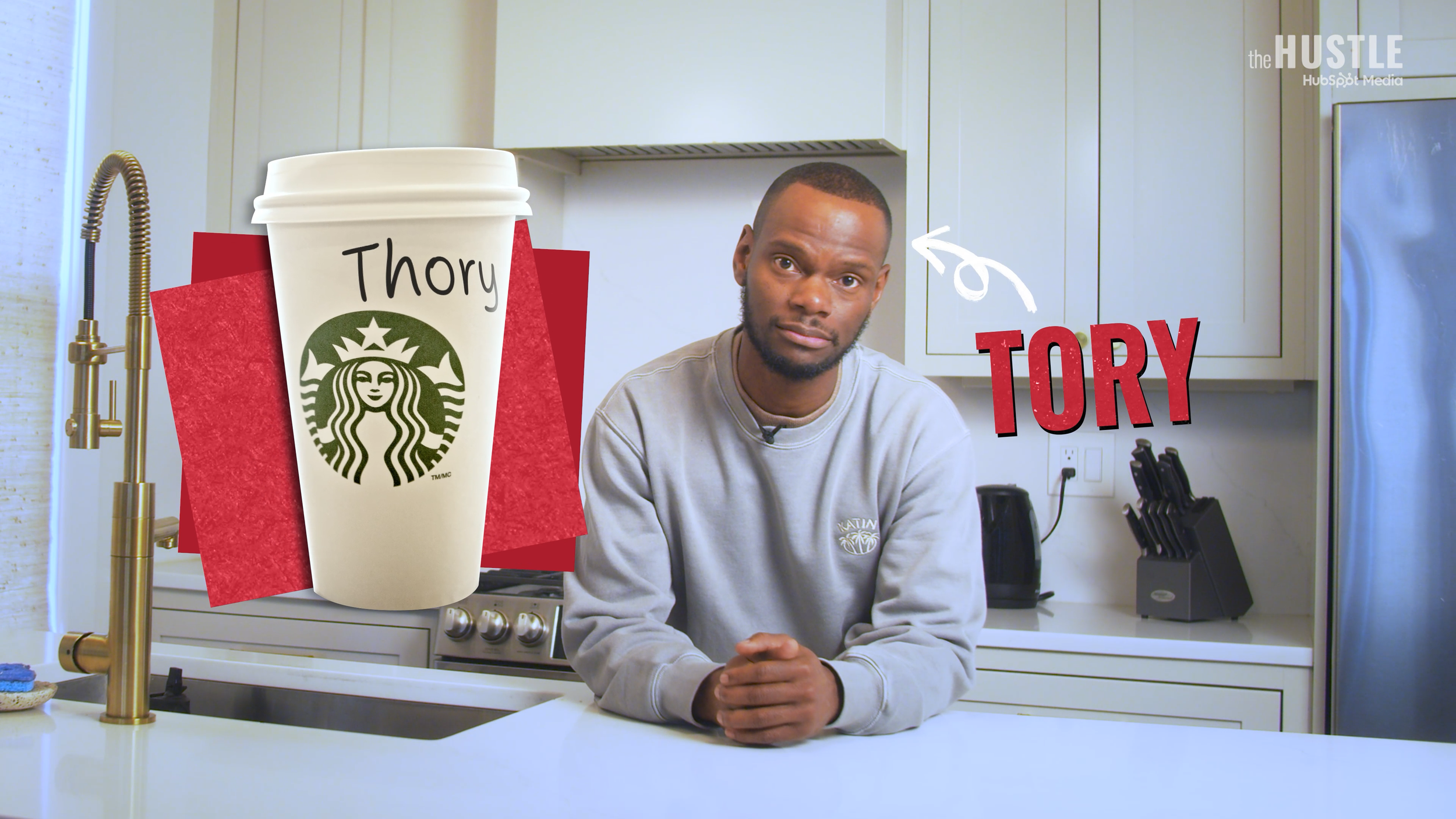
What looks like a pullback is a $1B reset: menu trimmed, workflows rebuilt, and cafés “uplifted” to revive the third place. Inside Brian Niccol’s plan, Starbucks is shrinking to grow, trading pure speed for spaces where people linger, connect, and — yes — spend. If drive‑thrus and mobile orders turned cafés into pickup points, this strategy aims to make them human again.